Podiatry » Footcare Hub » Fungal Nail Infection
Spectrum Foot Clinics
Fungal nail infections can cause toenails to become thickened, discoloured, brittle or difficult to manage. Our podiatry and foot-care team can assess the affected nail, advise on the most appropriate treatment and help you manage the condition as healthy nail grows through.
Appointments from €80


Professional Foot Care
Fungal nail infection, also known as onychomycosis, commonly affects the toenails. It can cause changes in the colour, thickness and texture of the nail and may gradually spread to a larger part of the nail or to neighbouring nails.
Fungal nail infections are not usually serious, but they can be persistent and may take a long time to clear. Thickened nails can also become uncomfortable in shoes or difficult to cut and manage at home.
At Spectrum Foot Clinics, our podiatrists, chiropodists and foot-care team can assess the affected nail and determine the most appropriate next step. Treatment may include reducing thickened nail, advice on topical antifungal treatment and referral to your GP where another form of treatment may be appropriate.
Understanding the Problem
A fungal nail infection often develops gradually. Changes may initially be subtle before becoming more noticeable as a greater part of the nail becomes affected.
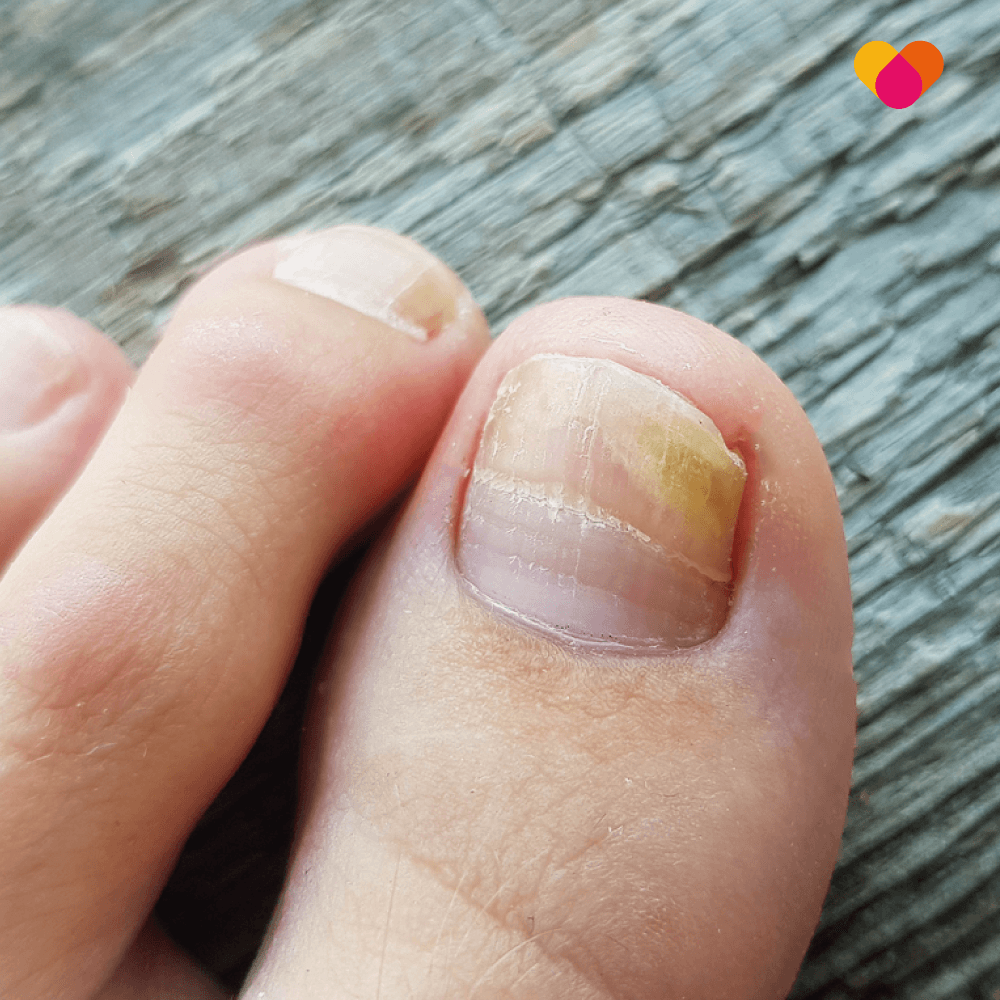
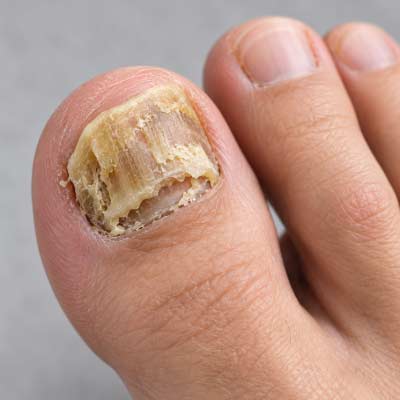
An infection may begin towards the edge or side of the nail. You may notice white, yellow or brown discolouration, changes in the texture of the nail or a small area beginning to thicken.Because several conditions can change the appearance of a toenail, discolouration or thickening does not automatically mean that the nail is fungal.
As more of the nail becomes affected, it may become increasingly thick, brittle or crumbly. The nail can sometimes lift away from the nail bed, making it more difficult to cut and potentially uncomfortable when wearing shoes.Fungal nail infections generally take time to treat because improvement depends partly on healthy nail gradually growing through. An assessment can help establish whether fungal infection is the likely cause and what treatment options are suitable.
Common Signs
Fungal infection is only one possible cause of nail changes. Injury, repeated pressure and some skin conditions can produce a similar appearance, so assessment may be helpful when the cause is uncertain.
Common Causes
Fungal nail infections occur when fungi infect the nail or surrounding tissue. The organisms responsible often thrive in warm, moist environments and can spread from fungal infections elsewhere on the foot.
Athlete’s foot, for example, can spread from the skin to the toenails if it is not treated.
Once fungus becomes established within a toenail, it can be difficult to eliminate quickly because toenails grow slowly. Treatment and good foot hygiene therefore often need to continue for an extended period.
Common Types We Treat

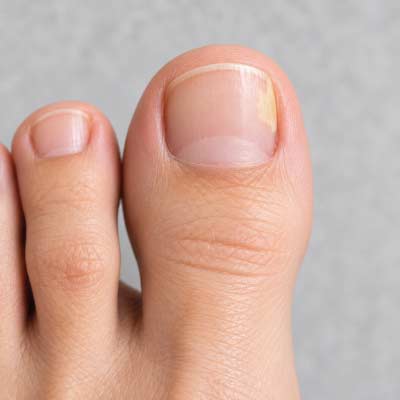
A mild infection may affect only a small area towards the edge of the nail. There may be slight discolouration or changes in texture without significant thickening of the nail.

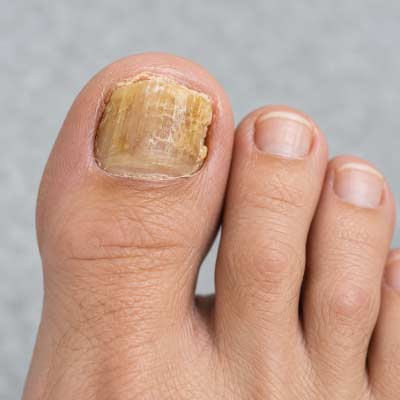
As infection progresses, the nail may become noticeably yellow or brown, thicker and more difficult to cut. The surface may also become uneven, brittle or crumbly.

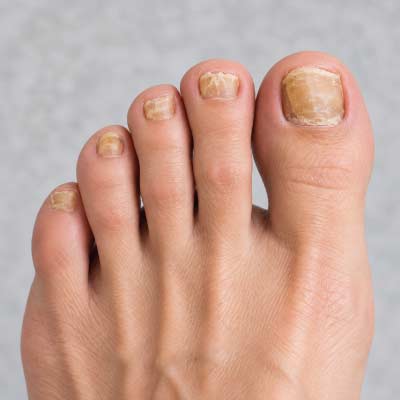
Fungal infection can spread from one toenail to neighbouring nails. Several nails may gradually begin to show similar changes in colour, thickness or texture.

A fungal nail infection that has been present for a long time may affect much of the nail. Significant thickening, crumbling or lifting of the nail can occur and treatment may require ongoing management while healthy nail grows through.
Your Appointment
Treatment begins with an assessment of the affected nail. Your clinician will examine its appearance, thickness and condition and discuss how long you have noticed the changes and any treatments you have already tried.
Where appropriate, treatment and management may include:

Spectrum's current fungal nail service uses nail reduction together with advice on ongoing topical treatment, with GP referral where oral treatment may be appropriate.Fungal nail treatment generally takes time. Even when the infection is being successfully managed, the damaged portion of the toenail must gradually grow out before a healthy-looking nail replaces it.
What To Expect
Your clinician will ask when you first noticed changes to the nail, whether the problem has spread and whether you have previously used any antifungal treatments. You should also mention relevant medical conditions and medications.
The affected nail and surrounding skin will be examined. Your clinician will look at the colour, thickness and texture of the nail and check whether other nails or areas of the foot show signs of fungal infection.
Where appropriate, a thickened or damaged nail can be carefully reduced. Your clinician will discuss the treatment options suitable for you and explain how any recommended topical treatment should be used.
You will be given advice on caring for the nail and reducing the likelihood of reinfection. Depending on the severity of the problem, follow-up appointments may be recommended to monitor progress or manage thickened nail as healthy nail grows through.
Book Appointment
Spectrum Foot Clinics provide fungal nail infection assessment and treatment from convenient clinic locations, including clinics across Dublin. Select your preferred clinic to view its address, appointment availability and relevant pricing information.
FAQ
Fungal nail infections can return, particularly if the feet continue to be exposed to conditions in which fungi can thrive or if an associated fungal skin infection such as athlete’s foot remains untreated.
Steps that may help reduce the risk include:
HSE guidance similarly recommends treating athlete’s foot promptly, keeping feet dry and avoiding shared footwear, towels and nail equipment.
Consider arranging a fungal nail assessment if:
If you have diabetes and develop signs of fungal nail infection, HSE guidance recommends contacting your GP, diabetes nurse or podiatrist for advice.
Mild fungal nail infections may sometimes be managed using antifungal treatments available from a pharmacy. These treatments generally need to be applied consistently over a prolonged period because healthy toenail grows slowly.
Keeping the nail trimmed and the feet clean and dry can also form part of treatment. Treat athlete’s foot at the same time if present, as the fungal infection can otherwise spread between the skin and nails.
Avoid sharing nail clippers, scissors, footwear or towels, and do not aggressively cut or remove damaged parts of the nail yourself.
If the infection is extensive, several nails are affected or treatment has not worked, professional assessment can help establish the appropriate next step.
Yes. A podiatrist can assess a suspected fungal nail infection, manage thickened or damaged toenails and advise on appropriate treatment. If another form of treatment is required, they may recommend speaking to your GP.
Yes. A suitably qualified chiropodist or podiatrist can assess fungal nail changes, provide professional nail care and advise on treatment and prevention. Spectrum Foot Clinics provide fungal nail treatment through our podiatry, chiropody and foot-care team.
Treatment depends on the condition of the nail. Your clinician may reduce a thickened nail, discuss topical antifungal treatment, provide foot-care advice and monitor the nail as it grows. Where prescription treatment may be required, referral to your GP can be recommended.
Fungal nail infections can take months to clear because toenails grow slowly. Topical treatment commonly needs to continue for many months while healthy nail gradually replaces the affected section.
An affected toenail may become yellow, white or brown, thicker than normal, brittle or crumbly. In some cases, the nail can lift away from the nail bed. See images above for reference.
Fungal nail infections occur when fungi infect the nail. They can spread from athlete’s foot or through exposure in warm, damp communal areas such as changing rooms and showers. Wet or sweaty feet can also increase the risk.
Yes. A fungal infection can spread from one nail to another and may also occur alongside athlete’s foot. Good foot hygiene and treating associated fungal skin infections can help reduce the risk of spread.
Some very mild infections may not cause significant problems, but established fungal nail infections can be persistent. If the appearance of the nail is worsening, the infection is spreading or the nail is uncomfortable, an assessment can help determine whether treatment is appropriate.
No. Fungal infection is a common cause of thickened or discoloured toenails, but nail trauma, repeated pressure and other nail or skin conditions can cause similar changes. Assessment can therefore be useful before beginning prolonged fungal treatment.
No. Even when treatment is effective, the damaged nail does not immediately return to normal. Healthy nail has to gradually grow from the base and replace the affected portion, which is why visible improvement can take several months.
Further Footcare Services
If a thickened, discoloured or damaged toenail is causing concern or discomfort, our podiatry and foot-care team can assess the problem and recommend an appropriate treatment plan.