




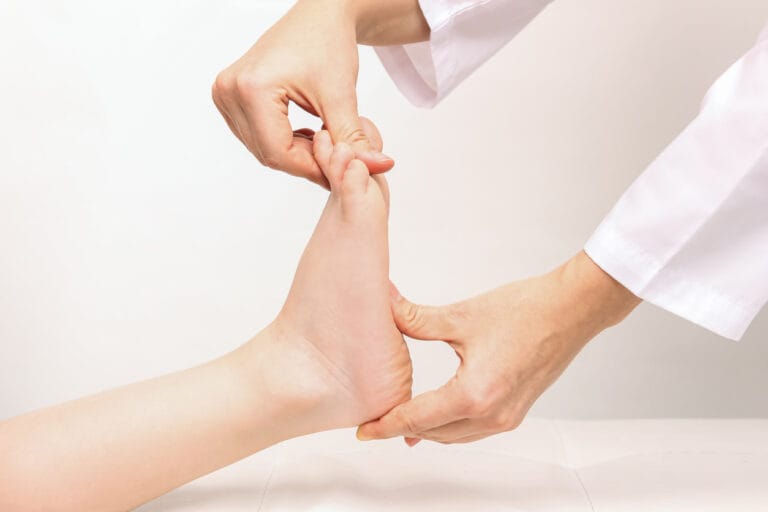
Do your feet ache after a long day of standing or walking? You’re not alone. Foot pain is one of the most common complaints podiatrists hear, and often the culprit lies in your arches.
Understanding whether you have flat feet, high arches, or something in between is key to finding relief and preventing long-term problems.
In this article, we’ll break down why your arches hurt, what your foot structure means, and what you can do about it.
Understanding Foot Arches
Your foot arches are more than just a curve in your foot—they are critical for absorbing shock, supporting your body weight, and helping you move efficiently. Most people have a “normal” arch that balances stability and flexibility, but some individuals have flat feet or high arches, which can affect how they walk and even cause pain in the feet, ankles, knees, hips, and back.
Flat Feet
Flat feet, also called fallen arches, occur when the arches of your feet are lower than usual or completely collapsed. This can be something you were born with (congenital flat feet) or develop over time due to injury, obesity, pregnancy, or age-related wear and tear.
Symptoms of flat feet may include:
- Pain along the inside of your foot or ankle
- Swelling along the arch
- Fatigue or discomfort in your feet after prolonged standing
- Feet that tire easily during activity
Why flat feet cause pain:
When your arches are flattened, your feet lose some of their natural shock-absorbing ability. This puts extra stress on your muscles, ligaments, and joints, often leading to discomfort in your arches, heels, and even your knees and lower back.
How to treat flat feet:
Living with flat feet doesn’t have to mean constant discomfort. There are a variety of approaches that can help support your arches and reduce pain:
- Orthotic inserts: Specially designed insoles—whether custom-made or store-bought—can help redistribute weight across your feet and relieve pressure points.
- Supportive footwear: Shoes that provide firm arch support and a stable sole can improve comfort and reduce strain during everyday activities.
- Foot exercises: Strengthening your feet with exercises like toe curls, calf raises, or even picking up objects with your toes can help build the muscles that support your arches.
- Professional treatment: If pain persists, a podiatrist can offer tailored solutions such as physical therapy, supportive braces, or in some cases, surgical options.
A personalised plan from a podiatrist can make a real difference, helping you move more comfortably and protect your feet from long-term issues.
High Arches
On the other end of the spectrum are high arches, a condition where the arch of your foot is unusually raised. While some people naturally have high arches without discomfort, others may experience pain or instability.
Symptoms of high arches may include:
- Pain in the heel, ball of the foot, or arch
- Ankle instability or frequent rolling of the ankle
- Calluses on the ball or heel of the foot
- Fatigue in the feet or legs
Why high arches cause pain:
High arches can cause your weight to be concentrated in certain areas, often the heel and the ball of the foot. This uneven pressure makes it harder for your feet to absorb impact, which may increase the risk of injuries such as plantar fasciitis, stress fractures, or ankle twists.
Management options for high arch feet:
- Supportive footwear: Cushioned shoes with shock-absorbing soles help reduce impact.
- Orthotics: Custom insoles can help balance your foot and improve alignment.
- Stretching and strengthening: Exercises targeting the calf muscles, plantar fascia, and Achilles tendon can improve flexibility and reduce discomfort.
- Medical care: If pain persists, a podiatrist can evaluate your gait and recommend targeted treatments, including physical therapy or orthotic adjustments.
When to See a Podiatrist
Persistent foot pain is a signal you shouldn’t overlook. If your arches ache, your feet swell, or walking becomes uncomfortable, it’s a good idea to have a professional take a closer look. A podiatrist can identify whether your discomfort comes from flat feet, high arches, or another underlying issue, and suggest the most effective way to treat it. Addressing problems early can help prevent more serious complications, such as chronic pain or joint issues, later on.
Tips for Healthy Arches
Whether you have flat feet, high arches, or a normal arch, maintaining foot health can reduce pain and prevent injury:
- Wear the right shoes: Choose footwear with proper arch support and cushioning. Avoid shoes that are too tight or worn out.
- Use orthotics if needed: Over-the-counter or custom orthotics can improve comfort and alignment.
- Stretch and strengthen: Simple foot exercises can help maintain arch flexibility and strength.
- Maintain a healthy weight: Extra weight increases stress on your arches.
- Pay attention to symptoms: Don’t ignore recurring foot pain—it can indicate a structural issue that needs professional care.
Conclusion
Arches play a vital role in how your feet function. Flat feet and high arches can both cause pain, instability, and long-term joint problems if left untreated. Understanding your foot type, wearing proper footwear, and seeking professional care when needed are key steps to keeping your feet healthy and pain-free.
If you’re experiencing arch pain or want to explore flat feet treatment or support for high arch feet, the experts at Spectrum Health are here to help. Schedule an appointment with one of our podiatrists today and take the first step toward healthier, more comfortable feet.