






The Annual Parade Of Fad Diets And Why They Don’t Work
At the beginning of every new year, people all over the world pledge to lose weight and get healthy. For many people, this means joining the gym, for others it means cycling or walking to work, but for almost everyone who makes these resolutions, it means a change in diet.
4 Reasons To Ditch The Next Fad Diet

The turkey dinner is finished, the box of Celebrations is full of empty wrappers and the selection boxes have been demolished. That means one thing, time for the influx of January diets.
Getting Back Into Your Shoes After A Boot Cast

After weeks of wearing a cast, your foot is likely to feel a little strange when it comes off. Apart from looking a bit pale and wrinkled, your foot may also be swollen and a bit stiff. But once the cast is off, your foot will feel lighter and easier to manoeuvre. But just because the cast is finally off doesnt mean you can just pick up where you left off. There are a few things you should do first to make your transition back to normal life as easy as possible.
8 Ways To Prevent Blisters
Blisters are small, fluid-filled bubbles on the skin that form as a result of friction, heat, or infection. The majority of this fluid is lymph, which helps keep our tissues and bloodstream clean, although a blister may also contain some amounts of plasma, blood, or pus as well. Blisters actually form as a defense mechanism to protect the lower levels of skin, but despite their best intentions, they can be quite painful. For this reason, we have put together a list of 8 ways to prevent blisters.
How To Eat Intuitively This Festive Period

For most people, Christmas is one of the best times of the year. It is a time when we get to indulge and treat ourselves to a variety of presents and treats without feeling guilty. But as fun as it may be, letting yourself go too crazy can mean you spend most of next year trying to shed the pounds you put on in a few short weeks. To help address this issue, we’ve laid out a few tips to help you treat yourself without mistreating your body.
10 Everyday Tips For Managing Your IBS

It is estimated that about 10-15% of the world’s population has Irritable Bowel Syndrome. Despite the fact that it is actually quite a common condition, many people with IBS are uncomfortable discussing it openly with others, which means that the information surrounding it does not flow as freely between people as it might with other conditions. Science has yet to develop a cure for IBS, but there are a number of things you can do to help alleviate the symptoms.
Are Pedicures Bad For Your Foot Health?
Whether you’re getting ready to go barefoot or just looking to be pampered, pedicures are a popular way for people all over the world to treat themselves. Our feet are often one of the first parts to get sore when we work hard or exercise properly, so getting them massaged and beautified can feel like a great, well-earned reward. But as nice as they may feel, there are certain health risks associated with pedicures that often get overlooked.
Does Psoriasis Affect Our Feet?
Psoriasis is a chronic skin condition where the life cycle of skin cells is accelerated, causing them to rapidly accumulate on the surface layer. It most commonly manifests as red, scaly patches or small spots, and can cause skin to crack, itch, and burn. There are many different types of psoriasis, but not all of them can affect the feet.
Probiotics vs Prebiotics – What’s The Deal With My Microbiome
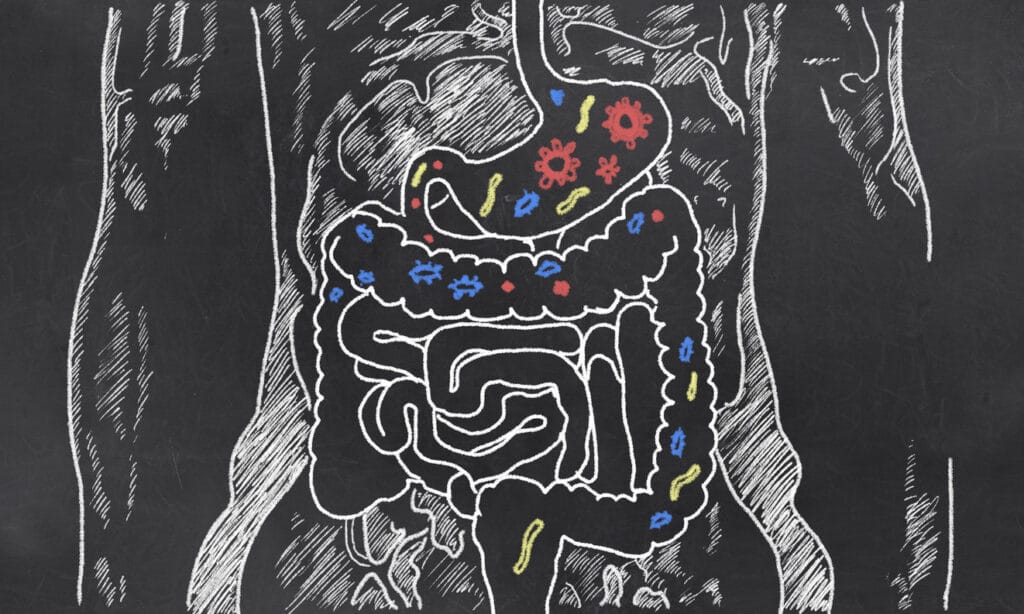
The human microbiome refers to all the microorganisms that live in or on humans. These include the likes of single-celled organisms, fungi, non-living viruses, and most prominently, bacteria. In fact, we have more bacterial cells in our bodies than human cells, with estimates of the ratio ranging from 3:1 to as much as 10:1. Our microbiomes are extremely important to our overall health, providing us with abilities our human cells cannot, such as digesting certain foods, or fighting off harmful bacteria.
Looking After Your Child’s Feet
All new parents learn pretty quickly that there are very few aspects of your child’s existence that don’t require your intervention. Whether that realisation comes as you clean a surprising amount of dandruff out of their crib, or as you use a nasal aspirator to clear their nose, everyone eventually figures out just how many things we assume happen naturally actually require a parent’s attention. In terms of your child’s footcare, there is a lot more to it than simply buying the right shoes and making sure they don’t stub their toes. Here, we’re going to give some advice on how to look after your child’s feet.
What Is Plantar Fasciitis And How Does It Happen?

When you see the suffix “-itis” used in terms of anatomy, such as tonsillitis or tendinitis, it means that the body part in question has become inflamed. Plantar fasciitis therefore is the swelling of the Plantar fascia, a thick band of connective tissue that runs along the bottom of your foot, connecting your heels to your toes. The Plantar fascia is one of the most commonly used ligaments in the human body, so it is not surprising that Plantar fasciitis is one of the most common causes of heel pain as well. Most of us will experience Plantar fasciitis at least once in our lives, even if we never realise.
What Is A Foot Ulcer?
A foot ulcer is an open sore on the foot, usually beneath the big toe or on the balls of the feet. They form when skin tissue breaks down and exposes the lower layers. They begin as a sort of shallow crater, but if left untreated, this can extend into the deeper layers, possibly even reaching the bone.
The FODMAP Diet For Irritable Bowel Syndrome (IBS)

Irritable Bowel Syndrome (IBS) is a common condition that affects roughly 10% of people worldwide. The most common symptoms of IBS are cramps, bloating, gas, and diarrhea. Research has long supported the theory that symptoms of IBS are exacerbated by certain foods that cause inflammation of the digestive system. In recent years, a new diet has been developed by a team of researchers at Monash University in Melbourne, Australia, which aims to tackle the symptoms of IBS by circumventing the foods that trigger it. This is known as the FODMAP diet.
How Can I Prevent Hammertoe
A hammertoe is a toe that is abnormally bent, usually the second or third toe, although it can happen to any toe at all. This usually occurs because of a muscle/tendon imbalance, although ill-fitting shoes can exacerbate and speed up the formation of hammertoes. A hammertoe usually starts out as a mild abnormality, but if left untreated, they will always get progressively worse.
Heel Spurs – How to Treat
A heel spur is a bony growth that protrudes from the calcaneus bone. They occur as a result of chronic, localised inflammation, where the ligaments meet the bone. The spurs can form underneath the heel if the Plantar fascia is inflamed, and on the back of the heel if it is the Achilles tendon that is inflamed. Heel spurs usually form as a result of repetitive athletic strain, but can also be brought on by an inflammatory disease, such as reactive arthritis.
Eating For Your Skin

Your skin grows using the nutrients your body gets from your meals. Just like building a house, the the end result will depend heavily on the quality of the building materials you provide, so a poor diet will inevitably lead to poor skin. Fortunately, there are a few easy ways you can drastically improve your dietary intake and promote the growth of healthy skin.
The Facts on Fibre
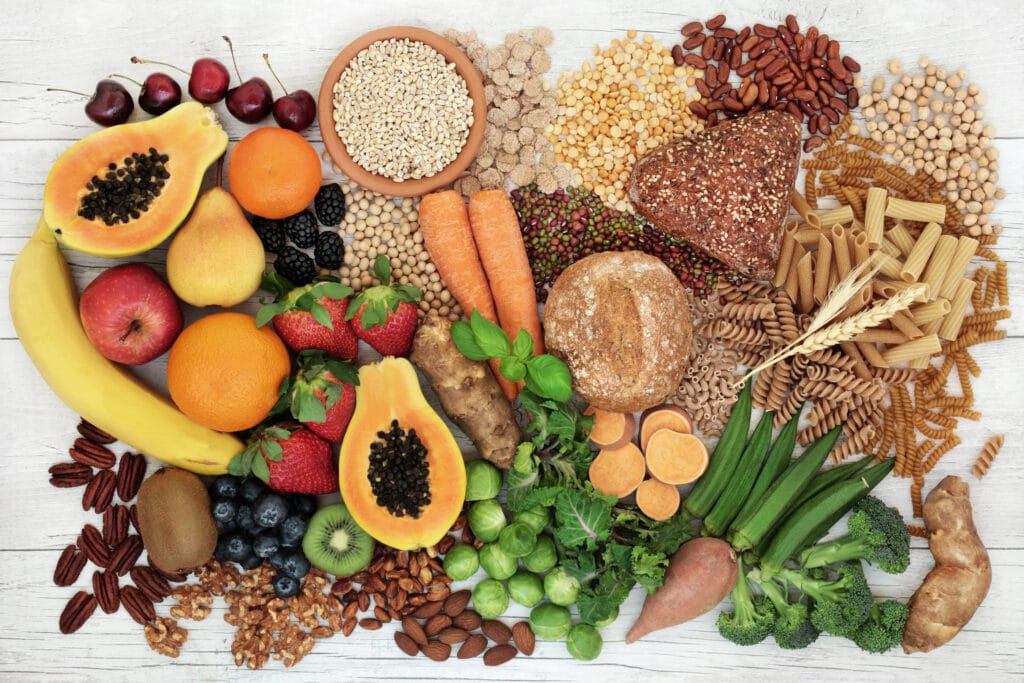
If you’re the kind of person who has a casual relationship with healthy eating, you may not know exactly what fibre is. You’ve probably seen foods that promote the fact that they are “high in fibre”, and so realise that it is a good thing, but what exactly is fibre, and what does it do? You’re likely not the only one asking these questions, as the Irish Nutrition + Dietetic institute says that 80% of Irish people do not eat enough fibre. In this blog, we’re going to look at some of the most important facts about fibre.
Eliminating Foot Odour
Each one of your feet has about 125,000 different sweat glands, more than any other body part based on surface area, so it’s easy to see why they can become one of the smelliest body parts. In particular when we are wearing shoes and socks, the sweat we produce becomes trapped inside, and that moist, warm, enclosed space becomes the perfect breeding ground for bacteria, which are actually the cause of the smell.