




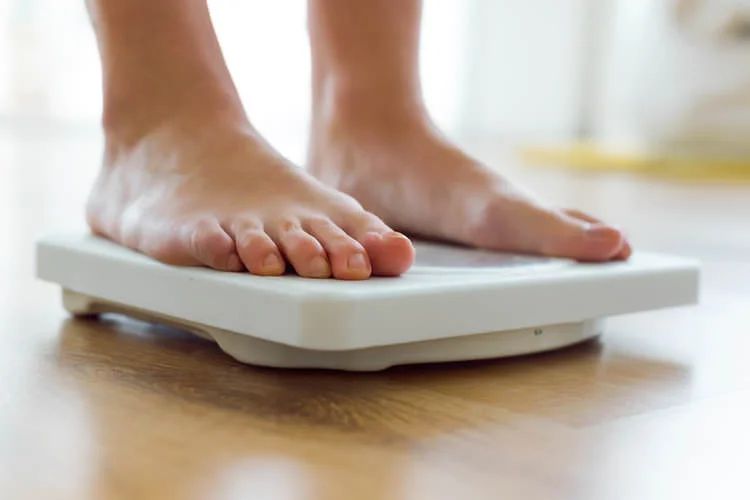
Many people start running as a part of a general lifestyle change to get fit and lose weight. Running burns a lot of calories (about 100 per mile), so you would think that would lead to weight loss. However, this is not always the case, with some runners finding they don’t lose any weight. There is no straightforward answer to this, as everyone is different, but here are some things to consider…
Are You Eating More Calories Than You Need?
Even if you are running, if you aren’t burning more calories than you’re consuming, you’re not going to see a difference on the scale. Try spreading out your calories throughout the day into 5 or 6 small meals so you don’t overeat. Also, make sure you’re snacking on the right foods to improve your weight loss and performance, and not junk food.
Don’t forget that sports drinks have calories too! While hydration is important, plain water is fine for shorter runs and when you are not running. So make sure you combine running with a healthy diet if you are looking to lose weight.
Increased Muscle Mass
Pay attention to how you’re feeling overall, and use measurements like inches rather than weight, as you may not be losing weight but your body fat percentage has decreased, so you’re more toned than you were before.
Increase Distance And Intensity
You’ll probably have more success if you increase your overall weekly mileage. If you always run at the same pace, try incorporating speed intervals in one run. You can start adding speed by warming up for a mile, then running at a faster pace (breathing heavily but still in control) for a minute, and then recovering at an easy pace for a minute. Continue with this pattern for two miles, then cool down for 5-10 minutes. When that gets too easy, you could always increase the time of your speed intervals or do hill repeats instead.