








Physiotherapy For Back Pain
Back Pain: Causes, Symptoms, Treatment & Relief
Explore symptoms, causes, and treatment options for back pain with physiotherapy guidance.
The Physio Experts.
Understanding Back Pain.
Back pain is one of the most common musculoskeletal complaints and affects people of all ages.
It can range from mild stiffness to severe pain that limits everyday activities such as sitting, walking,
or lifting.
Most back pain improves with the right treatment. Our physiotherapy clinics in Dublin and across Ireland focus on identifying the root cause of pain and restoring normal movement so you can return to daily activities comfortably.
Our physiotherapy team assesses the muscles, joints, discs, nerves, and movement patterns that may be
contributing to your symptoms and provides a personalised treatment plan designed to relieve pain,
restore mobility, and prevent recurrence.

What Is Back Pain?
Back pain is discomfort in the spine, typically affecting the lower, middle, or upper back.
The spine is made up of bones, joints, discs, ligaments, muscles, and nerves. Pain can occur when any of these structures become irritated, strained, inflamed, or injured.
Physiotherapy assessment helps determine exactly which structures are contributing to your symptoms so that treatment can target the underlying cause rather than just managing pain.
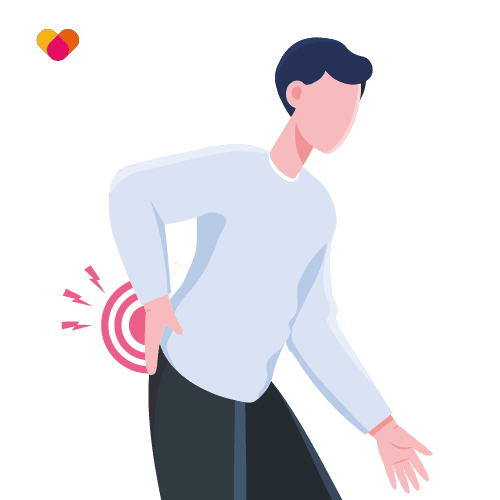
Types of Back Pain
Back pain can occur in different areas of the spine and may vary in severity and duration. Understanding the type of back pain you are experiencing can help identify the underlying cause and guide the most appropriate treatment approach.
Lower Back Pain
Lower back pain is the most common type of back pain and usually affects the muscles, joints, or discs in the lumbar spine. It’s often linked to lifting injuries, poor posture, or prolonged sitting, especially in office-based work.
In most cases, lower back pain improves with targeted physiotherapy, movement correction, and strengthening exercises.
Upper Back Pain
Upper back pain typically develops around the thoracic spine and is often related to muscle tension, poor desk posture, or repetitive strain. It may feel like tightness or stiffness between the shoulder blades and can worsen with long periods of sitting or screen use.
Treatment usually focuses on posture correction, mobility work, and relieving muscle tension.
Acute Back Pain
Acute back pain comes on suddenly and usually lasts a few days to a few weeks. It’s often caused by a strain, awkward movement, or minor injury.
While it can be painful, most cases settle quickly with the right advice, movement, and early physiotherapy support.
Chronic Back Pain
Chronic back pain is defined as pain lasting longer than 12 weeks. It may be linked to underlying joint, disc, or muscular issues, or it can persist due to movement patterns and lack of rehabilitation.
A structured physiotherapy plan is key to managing symptoms and improving long-term function.
Sciatica
Sciatica refers to nerve pain caused by irritation of the sciatic nerve. It typically starts in the lower back and travels down one leg, sometimes reaching the foot. Symptoms can include sharp pain, tingling, or numbness.
Physiotherapy focuses on reducing nerve irritation, improving mobility, and addressing the root cause.
Back Pain Symptoms
Back pain symptoms can vary depending on the underlying cause and the area of the spine affected. Some people experience mild stiffness or aching, while others may develop sharper pain, muscle tightness, or difficulty moving comfortably.
- Aching or sharp pain
- Stiffness or tightness
- Muscle spasms
- Reduced Mobility
- Difficulty bending or twisting
- Pain sitting / standing for periods
- Pain spreading into the legs
- Numbeness or tingling
Common Causes of Back Pain
Back pain often develops from a combination of physical and lifestyle factors.
Muscle strain:
Lifting, sudden movements, or overuse
Poor posture:
Prolonged sitting or desk work
Disc irritation:
Pressure or inflammation affecting spinal discs
Joint stiffness:
Reduced mobility in the spine
Weak core muscles:
Reduced spinal support
Stress and inactivity:
Which can increase muscle tension

How Physiotherapy Helps Back Pain.
Physiotherapy focuses on identifying and treating the root cause of back pain rather than just managing symptoms.
Our back-pain-focused Physiotherapy service will assess your movement, posture, strength, and joint mobility to understand what’s contributing to your pain. From there, a personalised treatment plan is created.
Treatment may include a combination of hands-on therapy, rehabilitation exercises, and movement correction to restore normal function and reduce the risk of future flare-ups.

Back Pain Treatment Options.
Treatment may include:
- Hands-on physiotherapy treatment
- Targeted rehabilitation exercises
- Mobility & stretching programmes
- Soft tissue treatment
- Dry needling
- Ergonomic advice for work or home
Every treatment plan is tailored to the individual and designed to improve both short‑term pain and long‑term spinal health.
When To See A Physiotherapist?
You should consider seeing a physiotherapist if:
- Pain lasts longer than a few days
- Movement becomes restricted
- Pain keeps returning
- Symptoms spread into the leg
- Everyday activities become difficult
- Pain levels remain high over a prolonged period
Early assessment often prevents minor back pain from becoming a long‑term condition.
Frequently Asked Questions: Back Pain
What Causes Back Pain?
Back pain is usually caused by a combination of muscle strain, poor posture, reduced mobility, or lifestyle factors such as prolonged sitting. In some cases, it may involve joint or disc issues. A physiotherapy assessment can help identify the exact cause.
When Should I See A Physiotherapist For Back Pain?
You should consider seeing a physiotherapist if your pain lasts more than a few days, keeps returning, or starts to affect your daily activities. Early treatment can prevent a minor issue from becoming a long-term problem.
Can Physiotherapy Fix Back Pain?
In most cases, yes. Physiotherapy is highly effective in treating back pain by addressing the underlying cause, improving movement, and strengthening the body. The earlier you start treatment, the better the outcome.
How Long Does It Take Back Pain To Heal?
Recovery time depends on the cause and severity. Acute back pain may improve within a few days to weeks, while chronic conditions can take longer and require a structured treatment plan.
Should I Rest Or Stay Active With Back Pain?
In most cases, staying gently active is better than complete rest. Movement helps maintain mobility and prevents stiffness. A physiotherapist can guide you on what movements are safe and beneficial.
What Is The Fastest Way To Relieve Back Pain?
There is no one-size-fits-all solution, but early physiotherapy, gentle movement, and avoiding aggravating activities can help speed up recovery. Treatment tailored to your specific condition is the most effective approach.
Can Sitting Too Much Cause Back Pain?
Yes, prolonged sitting, especially with poor posture, is a common cause of back pain. It places stress on the spine and surrounding muscles. Regular movement and proper workstation setup can help prevent this.
Is Back Pain A Sign Of Something Serious?
Yes, prolonged sitting, especially with poor posture, is a common cause of back pain. It places stress on the spine and surrounding muscles. Regular movement and proper workstation setup can help prevent this.
Book a Back Pain Assessment
If you are experiencing back pain, early treatment can significantly improve recovery.
Our physiotherapy team provides detailed assessments and personalised treatment plans designed to help
you move comfortably again.
Book your physiotherapy appointment today to begin your recovery.
